WATCHMAN™ & Combined AF Ablation + WATCHMAN
Stroke-risk reduction and rhythm control—personalized for atrial fibrillation care.
If you have non-valvular atrial fibrillation (AFib), our goal is to reduce both:
- Stroke risk — from clot formation, often in the left atrial appendage
- AFib symptoms/burden — palpitations, fatigue, shortness of breath
Two common tools in that plan are the WATCHMAN™ left atrial appendage closure device and catheter ablation.
WATCHMAN™: Left Atrial Appendage Closure
What it is
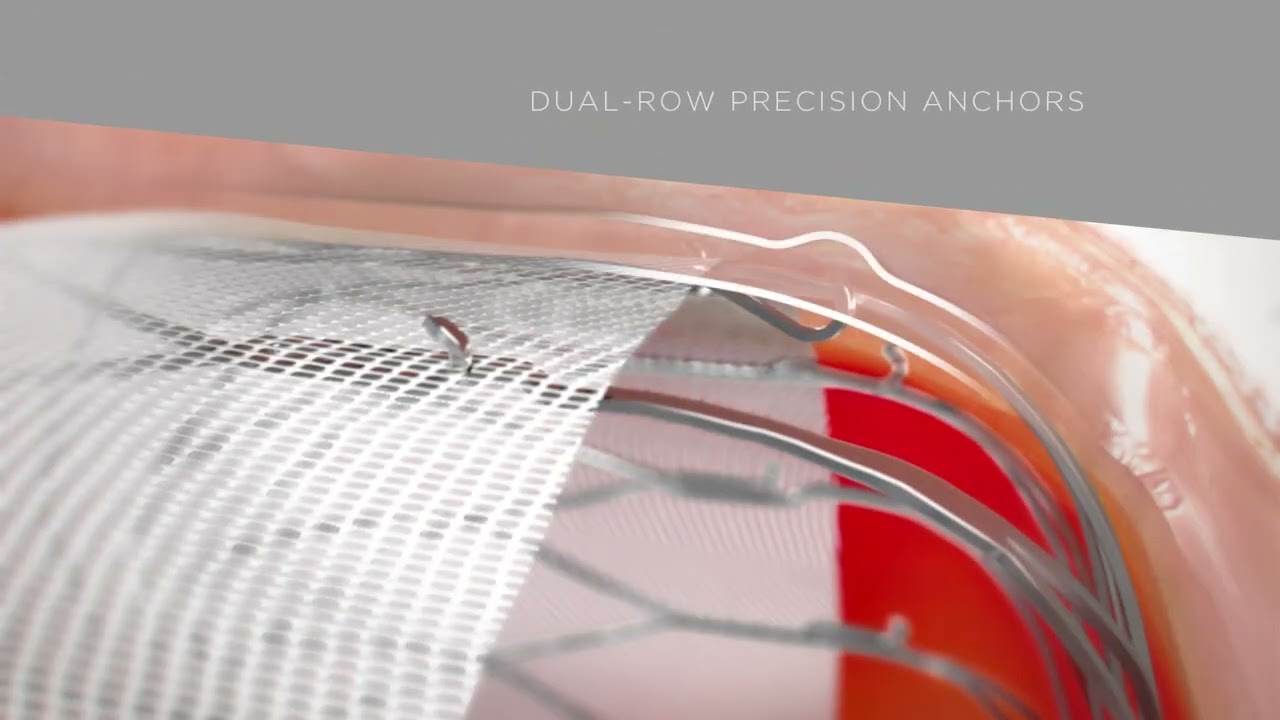
WATCHMAN is a minimally invasive, catheter-based implant that seals the left atrial appendage (LAA)—a common source of clots in non-valvular AFib—to help reduce stroke risk.
Who may be a candidate
WATCHMAN may be appropriate if you:
- Have non-valvular AFib
- Have moderate to high stroke risk
- Have a contraindication to long-term oral anticoagulation or a high bleeding risk where an alternative is reasonable
What to expect
- Before: Review of your AFib history, stroke/bleeding risk, and imaging to evaluate LAA anatomy (as needed).
- During: A catheter is placed through the vein in the leg (groin) and guided to the heart to deploy the device.
- After: Most patients take a short-term blood thinner and/or antiplatelet regimen while the device heals into place, with follow-up imaging often around ~45-90 days (plan is individualized).
Combined AF Ablation + WATCHMAN in One Procedure
What it is
In selected patients, it may be possible to perform:
- Catheter ablation (to reduce AFib episodes and symptoms), and
- Left atrial appendage closure (WATCHMAN)
during the same visit.
This combined approach has been studied and shown to be feasible in appropriately selected patients.
Why consider combining them?
Potential advantages (when appropriate):
- One anesthesia and one recovery period
- Addresses symptoms (ablation) and stroke risk (WATCHMAN) as part of one coordinated plan
- Helpful for patients who are good ablation candidates but also need an alternative to long-term anticoagulation
Common Questions
Does WATCHMAN mean I'll never need blood thinners again?
Many patients use blood thinners or antiplatelet therapy temporarily after implant while the device heals, and then may transition off long-term anticoagulation depending on imaging and your clinical situation.
Will ablation “cure” my AFib?
Ablation is designed to reduce AFib burden and symptoms. Some patients have long periods without AFib; others may need medications or repeat treatment. (It's individualized.)
What are the risks?
All catheter-based heart procedures have risks (bleeding, vascular injury, stroke, device-related complications, pericardial effusion, and need for additional procedures). We review your personalized risk profile in detail before proceeding.
Request a Consultation
Find out if WATCHMAN or combined procedures are right for you.
Schedule Consultation